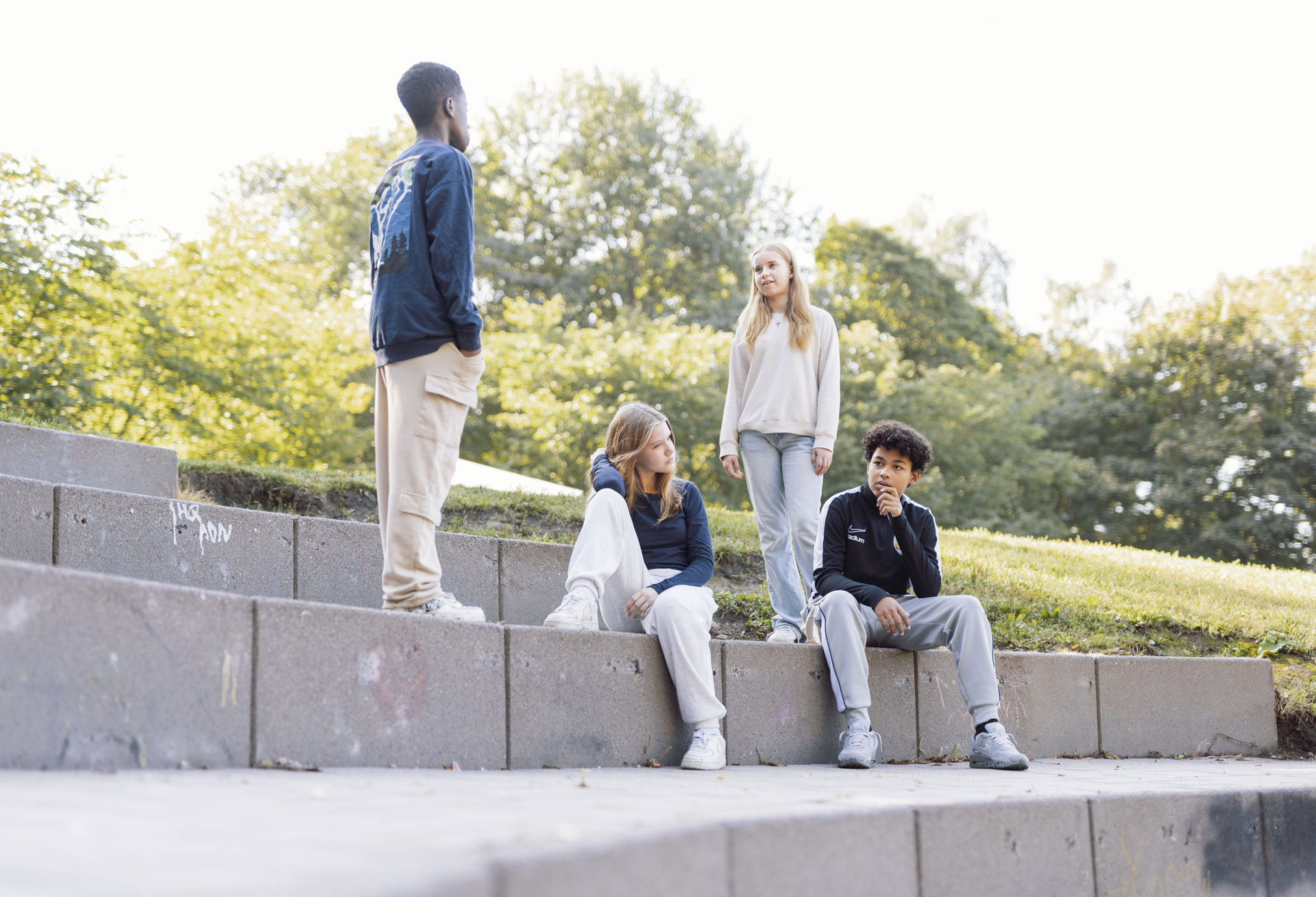
Child protection in Red Cross activities
The best interest of the child: in all our activities we take the best interest of the child into account and make it a priority. We always strive to promote the best interest of the child in our work.
Do no harm: we avoid in every way causing harm through our actions, including accidentally or through thoughtlessness.
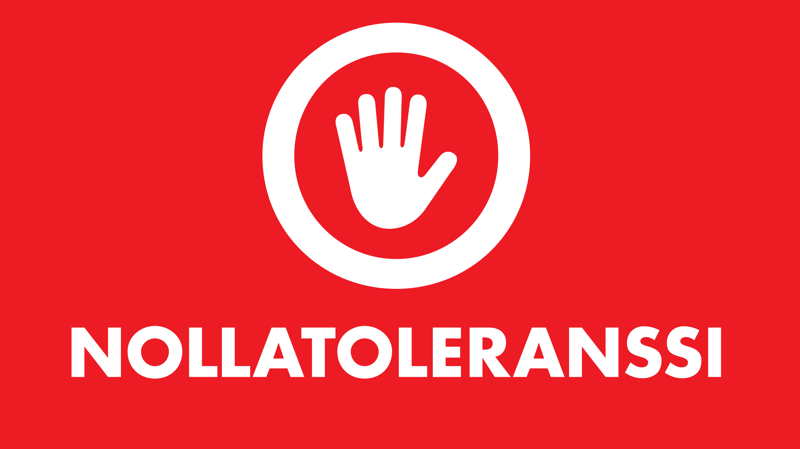
Zero tolerance: we do not accept any act or omission that may harm a child physically or mentally, including all forms of harassment and abuse.
Participation and consultation: we involve children in the planning of activities and we listen to and take their views into account.
It is absolutely essential to protect every child and young person from all forms of violence, abuse, and neglect. This requires safely organized activities as well as the ability to recognize and intervene in situations where concern arises about a child's well-being.
Trust: To protect the child's privacy, the duty of confidentiality also applies to children's matters and conversations with children. The duty of confidentiality can and must be deviated from when concern arises about a child's safety or well-being.
Equality and respectful language: avoid reinforcing assumptions (e.g. boys and mathematics, girls and languages; boys' professions, girls' professions; a family with a father, mother and children, the object of a crush being of the "opposite" sex; assumptions about ability; etc.).
Trust in everyday life: learn the children's names, listen, explain the rules clearly and return to them. A friendly, calm and encouraging atmosphere supports learning and a sense of safety.
Positive guidance: Give quick, concrete positive feedback. Mistakes are allowed; for many, they are a useful and even the best way to learn.
Strain and emotions: offer breaks and a calming space where the child can withdraw if they wish. Provide alternative ways to participate and adapt materials and time as needed.
- Respect, meet, and treat everyone equally – avoid assumptions and stereotypes and provide the support needed for participation and activity.
- Take the accessibility of the activity into account.
- Agree on the activities and ground rules together with the children and return to the matter regularly.
- Reinforce with positive feedback – mistakes are part of learning.
- Always assess the safety of the space and possible risks before the activity.
- Stay visible. Do not go or stay alone with a child in a closed space.
- Maintain [professional] boundaries: no exchanging personal contact details with children, no personal gifts, no following on social media. Direct any need for additional support through the Finnish Red Cross.
- Record the attendance of children and instructors and make sure departures are logged.
- Store the lists securely.
- Photographs are taken only in special cases with the guardian's consent for Finnish Red Cross channels.
- Online and in messaging tools, communication takes place only through approved channels. No one-on-one conversations with a child.
- If you notice or suspect misconduct in the activities, report it immediately using the Red Cross misconduct reporting channel.
- If you have a concern about a child's well-being or safety, raise the concern immediately with the leader/protection contact person. In an emergency, call the social services emergency line or, if necessary, 112.
Recognise: various injuries and moods are part of a child's life, but a sudden change in behaviour or injuries can also justifiably cause concern. Always take a child's accounts seriously if they tell you something unpleasant or about experiences that are not age-appropriate. Let the child talk, but do not interrogate or try to investigate the matter.
Matters that raise concern include at least:
- A crime or the threat of a crime is or has been directed at the child
- The child has faced violence or the threat of it (Note! Mental violence is also violence against a child)
- The child is trying to harm themselves
- It is not safe for the child to live where they live, or if deficiencies are observed in the child's care.
When a child tells you about something concerning, stay calm and listen to the child. Do not promise to keep a secret, but offer the opportunity to talk. Thank them for telling you and explain that you will pass the matter on so that help can be obtained for the situation. You can also ask how the child would wish the matter to be handled. Take care of privacy and safety; do not discuss the matter with outsiders.
Act in the best interest of the child. As a starting point, it is good to discuss with the guardian in advance or to contact the authorities together with the guardian. However, if telling the guardian could put the child in danger, the report must be made urgently without informing anyone of the matter beforehand.
Report immediately: Follow the instructions for making a child welfare notification in friendship activities (available in Finnish). Tell the group leader/protection/Finnish Red Cross contact person about the concern. If it is an urgent situation, call the social services emergency line or the emergency number 112.
- Criminal record checks for volunteers working with children
- Lastensuojeluilmoituksen tekeminen Punaisen Ristin ystävätoiminnassa.docx (Making a child welfare notification in the Finnish Red Cross friendship activities, in Finnish)
- Child welfare notification and initiation of a child welfare case – THL
- Prevention of sexual harassment and abuse – Red Cross
- Finnish Red Cross policy: Prevention of sexual harassment and abuse
- Operational Guidance for Child Friendly Spaces in Humanitarian Settings_World Vision

Translation feedback
Your feedback helps us improve AI-translated pages.
Page
🔗 —0 / 500 characters
Something went wrong — please try again.
Thank you for your feedback!
We'll use it to review and improve this translation.